Why Deleting Digital Files Isn’t Enough for Data Protection
Why Digital File Deletion Alone Cannot Fully Protect Your Data
Deleting a file from your computer may make it disappear from your screen, but it does not always eliminate every copy or protect the information from future risks. Temporary files, backups, cloud storage, shared drives, and recovery systems may still contain sensitive data.
For businesses in McAllen, TX; Harlingen, TX; Edinburg, TX; Brownsville, TX, and surrounding communities, a comprehensive data protection plan should address both digital and physical records. Secure Document Shredding & Creative Image provides document shredding, document imaging, record management, and microfilm conversion solutions to help organizations manage information securely.
Deleted Files May Still Exist
When a digital file is deleted, the information may remain in backup systems, archived folders, email accounts, file-sharing platforms, or recovery software. Simply moving a document to the recycling bin or pressing “delete” does not always provide permanent protection.
Businesses should also consider how information is stored on:
- Company computers and servers
- Cloud storage platforms
- External hard drives and USB devices
- Employee phones, tablets, and laptops
- Backup systems and archived databases
Without a consistent retention and disposal policy, old files can remain accessible long after they are no longer needed.
Digital Records Require Organized Record Management
Secure data protection involves more than deleting individual files. Effective record management helps businesses determine which information should be retained, where it should be stored, who can access it, and when it should be securely destroyed.
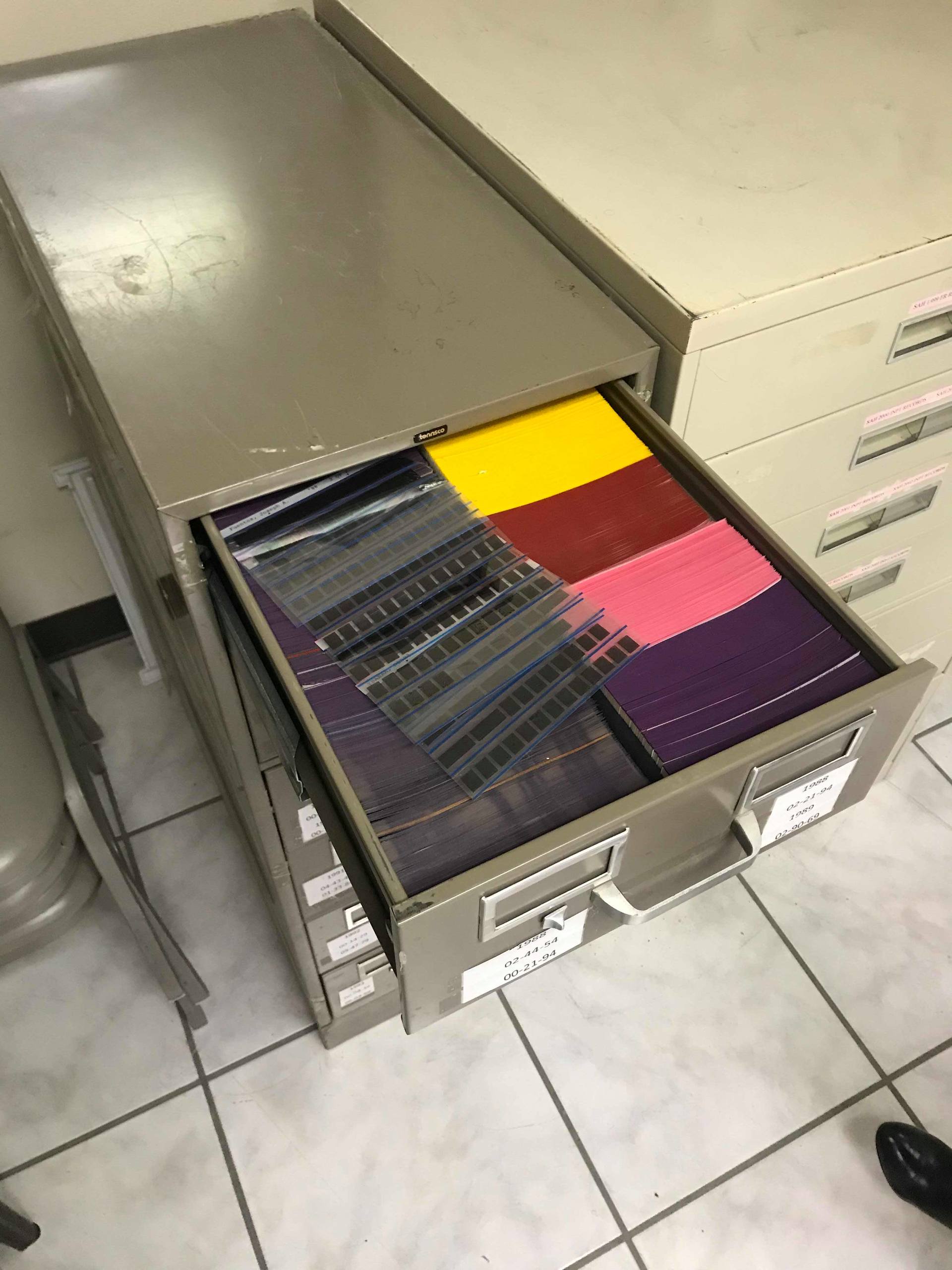
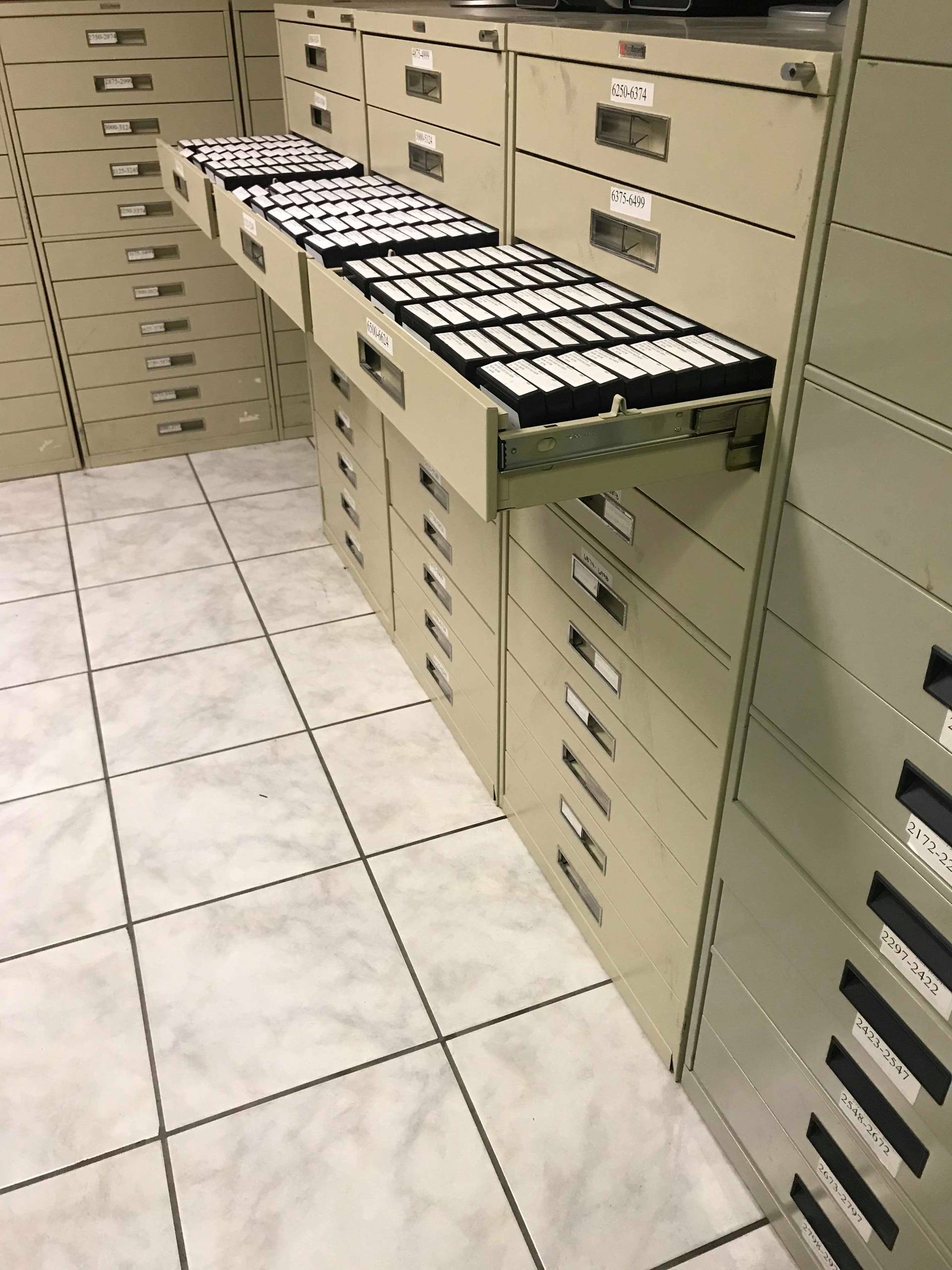
Organized record management can help reduce clutter, improve retrieval, and establish a clearer process for handling sensitive documents. It may also include secure off-site storage, controlled document retrieval, indexing, backup procedures, and digital archiving.
Learn more about record management and file storage for a more structured way to protect important business information.
Physical Documents Can Create Digital Security Risks
Paper records remain a major source of data exposure. Financial statements, personnel files, contracts, medical information, customer records, and internal reports may contain details that should not be placed in ordinary trash or recycling bins.
Even when a business relies primarily on digital systems, physical documents may still be printed, mailed, copied, or stored in filing cabinets. Professional document shredding and recycling help ensure outdated records are destroyed before they can be viewed, removed, or misused.
Document Imaging Makes Information Easier to Protect
Converting paper files into organized digital records can make information easier to manage and access. Through document imaging and scanning, businesses can reduce paper storage needs while creating searchable electronic files.
A well-planned imaging process may help organizations:
- Reduce crowded filing areas
- Improve document retrieval
- Create consistent digital records
- Support backup and disaster recovery
- Limit access to sensitive information
- Preserve important documents for future use
Digitization should be paired with strong access controls, reliable backups, and a clear schedule for securely disposing of unnecessary originals.
Build a Complete Data Protection Strategy – Call Us Today
Deleting digital files is only one part of responsible information management. Businesses should create a complete process that addresses digital records, paper documents, microfilm, backups, and long-term storage.
Secure Document Shredding & Creative Image helps businesses throughout McAllen, TX; Harlingen, TX; Edinburg, TX; and Brownsville, TX manage information from creation through secure storage and destruction. We can create a practical data protection strategy just for your business.
Contact our team to learn how document shredding, document imaging, record management, and microfilm conversion can support your organization’s data protection goals.